Here you can find names, dates of life, biographies and family stories about Jewish life in Lüneburg. Do you have further information, corrections, photographs, documents or suggestions?
Please feel free to contact us so that we can update the pages.
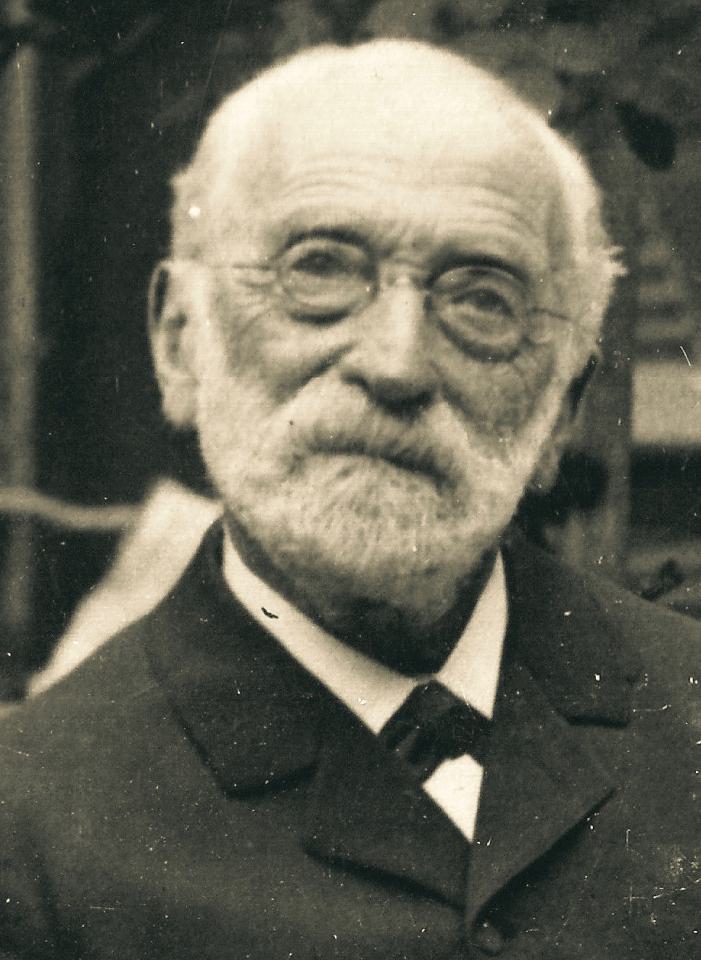
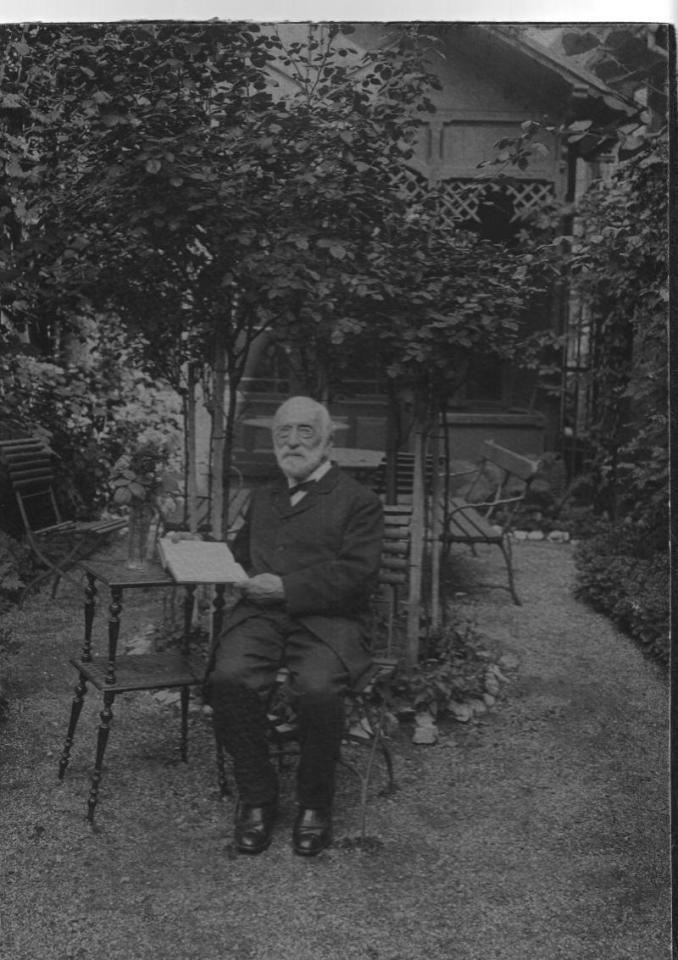
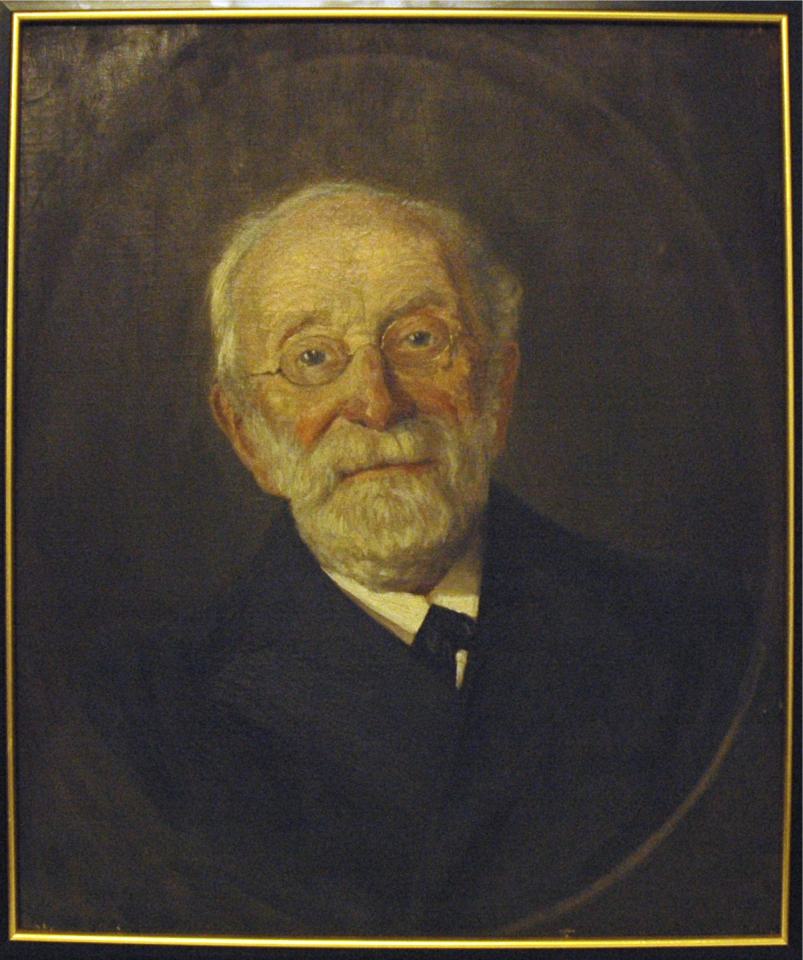
Banker and merchant Marcus (Mordechai) Heinemann was born in Lüneburg in 1819 and died there in 1908. He was one of the wealthiest men in the province of Hanover at the time. At the same time, he was one of the greatest benefactors within the Jewish community and far beyond.
In the mid-18th century, his ancestors, who originated from Reckendorf in Franconia, came to the small town of Bleckede on the river Elbe. Around 1810, Marcus" father Simon Heinemann moved to the nearby town of Lüneburg where he established a banking business in 1814 and quickly rose through the ranks with banking operations and money exchanges. In 1843, he was granted citizenship along with Moses Salomon und Wolf Hirsch Michaels## as first Jewish citizens of Lueneburg. The license for the cloth trade, which had long been denied to Jewish businessmen, also dates from this time. Around 1850, Simon"s sons Sally, Marcus and Salomon took over the bank and business.
With his wife Henriette née Lindenberg, Marcus Heinemann had 17 children, 13 of them reached adulthood. In 1862, the family bought an old patrician house on Große Bäckerstraße 23, which they owned until it was "aryanized" in the 1940s. Marcus" beloved wife Henriette died already in 1883, after the birth of their last son Henry. After Henriette"s death, the older daughters Martha and Emilie then took care of their father and the younger siblings.
Marcus Heinemann was a member of the board of numerous organizations and institutions: the Chamber of Commerce, the trade association, the non-profit construction company, the homeowners and property owners association, etc. As a pious Jew, he was the leader of the Lueneburg Jewish community for several decades. He was also the driving force and main financier of the construction of the large Lüneburg synagogue in the 1890s. After a catastrophic flood of the Elbe around Dömitz in 1888, he was co-initiator and treasurer of a relief committee for the flooded, which collected almost 500,000 marks from all over Germany. On this occasion, the German Empress Viktoria, wife of the 100-day Emperor Frederick III, visited Lüneburg and spoke, among others, with Marcus Heinemann, who took the opportunity to inform the Empress about the disturbing growth of anti-Semitism.
When Marcus Heinemann died in 1908, at the age of almost 90 (which made him Lueneburg"s oldest citizen at the time), Chief Rabbi Gronemann delivered a beautiful eulogy, comparing Heinemann with the Biblical Joseph, the breadwinner, filled with the spirit of wisdom and practical insight:
"Under his administration also, inventories of the earth have multiplied and he has made his business large and well-respected, in association with his brothers. His great commercial talents attracted attention among his professional colleagues, who appointed him to be their representative in different commercial institutions. But Marcus Heinemann was not simply eager to collect and amass for wealth for himself and his family. [...] He always had his storehouses open for the hungry and generously donated to others. There was no charitable, non-profit, social institution in Lueneburg which he did not support or even co-found himself. [...] And at the same time [...] you will seldom find a man who was driven by so little vanity and ambition. [...] We have all known him in his humility and modesty and in the tenderness of his nature.”
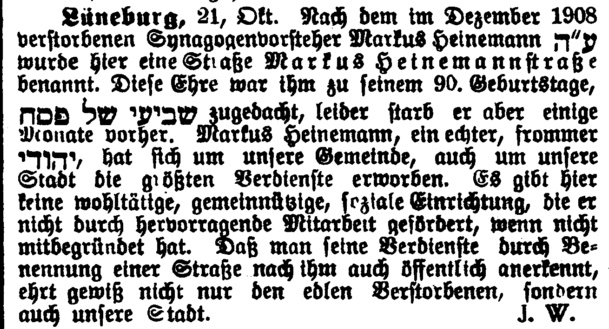
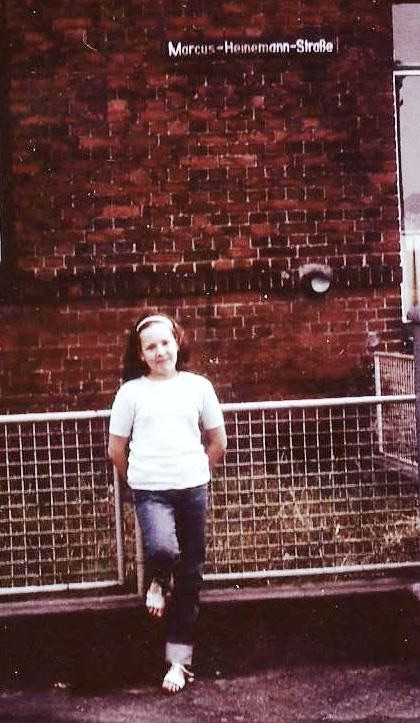
In 1909, shortly after his death, the town of Lüneburg gratefully named a street after Marcus Heinemann. This honor had actually been intended for his 90th birthday. In 1933, the town withdrew this name from the street and named it after the Nazi poet Albert Leo Schlageter instead. After the end of the Nazi era, it was given its old name again.
Since 1913, the Lüneburg museum had a Marcus Heinemann Hall with important objects that the family had donated to the museum. This name was also dropped during the Nazi era and replaced by "Renaissance Hall". In 2015, the museum again named a hall after Marcus Heinemann, in the presence of descendants of the Heinemann family from all over the world.
Sources and info:
Gravestone for Marcus Heinemann, epidat database: http://www.steinheim-institut.de/cgi-bin/epidat?id=lbg-10&lang=de
Sibylle Bollgöhn, Jüdische Familien in Lüneburg. Erinnerungen, Lüneburg 1995, pp. 40-49
Manfred Göske, Die Familie Heinemann. Typoscript, Manfred Göske collection, Museum Lüneburg.
Marcus Heinemann obituary (in German):
available online, National Library of Israel: https://www.nli.org.il/en/books/NNL_ALEPH990027131050205171/NLI
Almost Lost - The Heinemann Legacy, Film by Becki-Cohn Vargas, 2015: https://www.youtube.com/watch?v=Emrc4jCN9_U; https://beckicohnvargas.com/the-heinemann-legacy
The Lüneburg Museum"s provenance research project:
https://kulturgutverluste.de/projekte/die-schoene-sammlung-im-hause-heinemann-ist-mir-wohl-bekannt-forschungen-zur-provenienz
https://www.provenienzforschung-niedersachsen.de/erfolg-in-der-provenienzforschung-am-museum-lueneburg/
Name variants: Markus Mordechai